An overlooked gem

Turin’s got it all. Except the tourist hoardes

Who knew Turin would be such a fantastic place to visit? All my friends, it turns out. At least the small handful who have been. Most have never gone, even those living in Geneva a mere three and a half hours away by car.
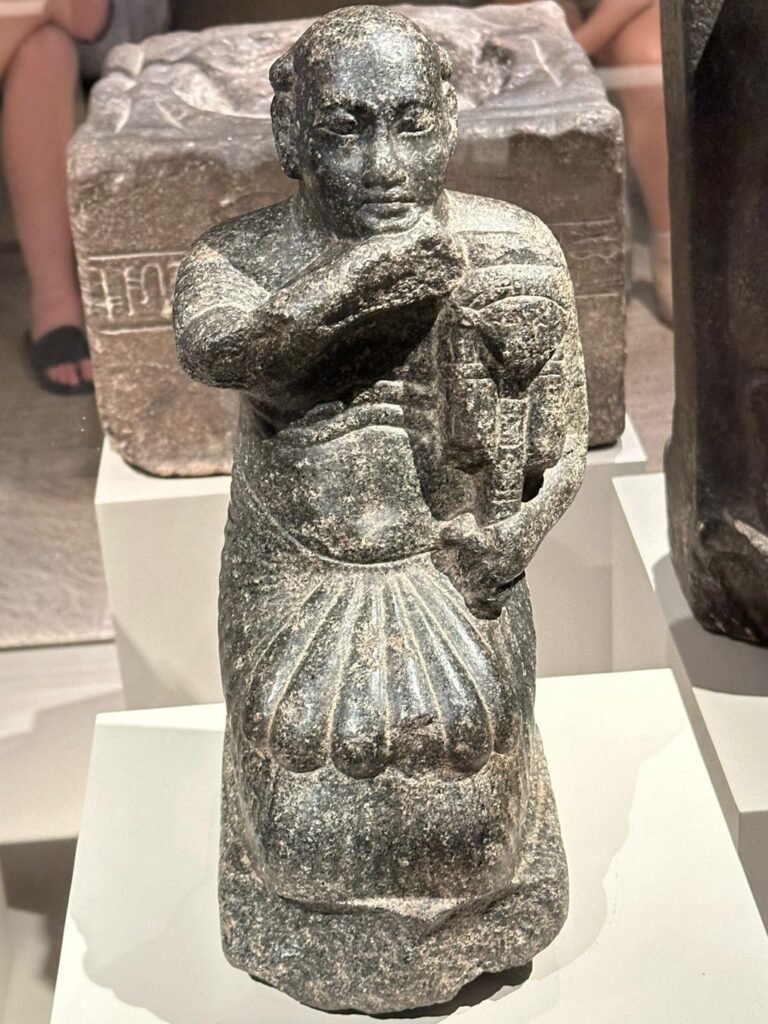
It seems the “problem” of Turin being ignored by tourists is not new. As early as 1824 – well before the railways were built – Charles Felix, Duke of Savoy, was so concerned about the tourists of his time overlooking his city that he bought a huge collection of Egyptian artifacts from Bernardino Drovetti, a French General Consul in Egypt, in order to encourage more travellers to stop there. This forms the basis of today’s Museo Egizio, which houses the largest Egyptian collection outside Egypt. It’s an amazing museum. Its magnificent exhibits include stunning Egyptian art and also the contents of a tomb, Tutankhamun-style, with the deceased’s bed, headrest, chairs and so on. (I find it both touching and breathtaking to see a fellow human being’s belongings from three THOUSAND years ago!)
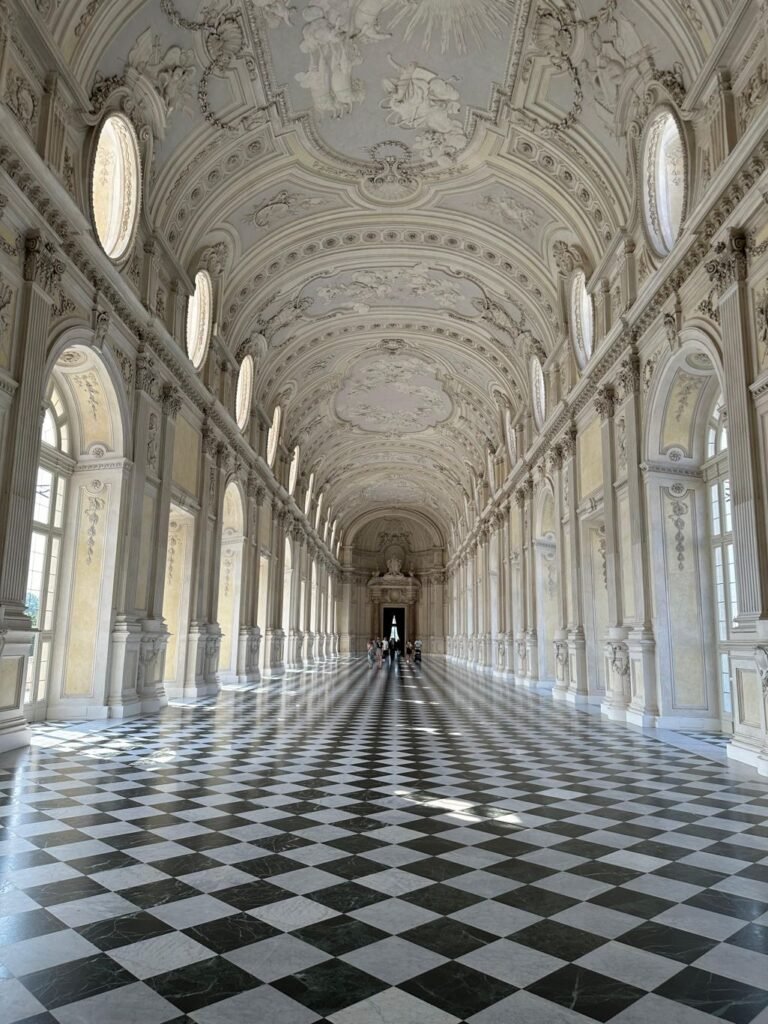
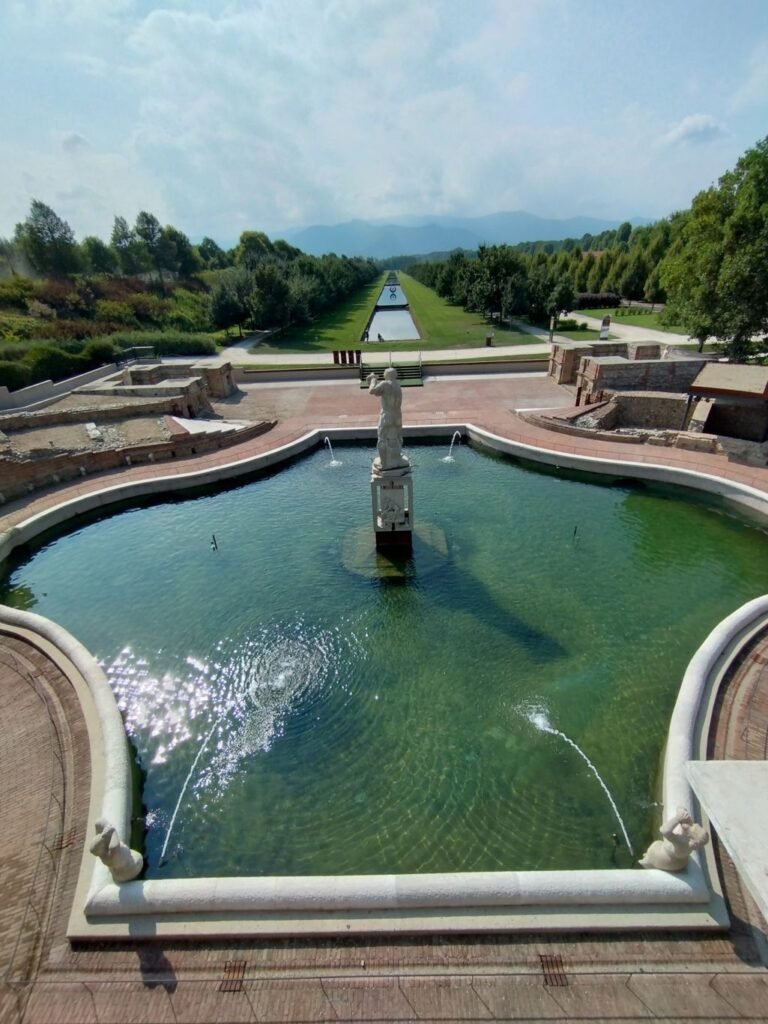
That’s far from all. As the capital of Savoy, it was a centre of wealth for centuries, and it has a slug of opulent palazzi in the center of town to show for it. The state rooms in the former royal residence, the Palazzo Reale, are sumptuous (the Savoys kept up nicely with their Ancien Régime neighbours) and other palazzi house excellent, if not Uffizi-level, art collections. As if that were not enough, there’s a ring of splendid hunting lodges and alternative royal residences on the outskirts of town which are called the Corona Di Delizie (Crown of Delights). The gardens of Reggia Di Venaria Reale must have rivalled Versailles before they fell into disrepair with the fall of the monarchy. Today the palazzo is partially restored, and the city’s multitude of opulent residences give a good idea of its pre-eminence and wealth prior to the unification of Italy.
It’s ironic to think that Italy’s unification resulted in the city’s eclipse, as it was the centre of the Risorgimento and formed the new country’s capital at the beginning. Any eclipse, though, has only been political. Wealth has continued to be amassed here by the elite as it became a highly industrial town. Indeed it’s as an industrial city that I imagined Turin, and therefore why it wasn’t on my – and many others’ – hit-list of must-see places. But whilst industry employed 200,000 people in the 1970s, today it’s only 10,000. For the tourist, the town has managed the transition well. The renovated historic centre has an efficient driverless subway system, a mass of attractive arcaded streets, and great cafes in beautiful piazzas serving delicious drinks and coffee – it is the home of Martini and Lavazza, after all! It’s much cleaner and safer than cities like Naples and it makes for a relaxing and entertaining stay.
The industrial past has even yielded world-class tourist attractions. The Fiat Lingotto factory is famous for the race track on the roof where completed cars would be tested. Today this impressive piece of industrial architecture from the 1920s has been beautifully transformed into a complex including the excellent Pinacoteca Agnelli which includes the opportunity to visit the race track on the roof. We stayed in one of the hotels in the factory too, which was great fun and very practical.
The racetrack on the roof of the 1920s Fiat Lingotto factory, where they used to test the cars newly manufactured below.
So Turin was a wonderful stop that exceeded all expectations. It’s got it all! Except – thankfully – for hoardes of tourists.
by Chris