Precious nature
Staying in the Côte d’Or
“Last year some producers lost 90% of their harvest”, the friendly Monsieur Jean told us. We were chatting in La Cave de Monsieur Jean, a neat little wine shop in Gevrey-Chambertin, having just had a late breakfast in Le Tue Chien opposite. (Odd that the characterful dog-owning proprietor should call her café “The Kill Dog”, I thought… until I found out later that Tue Chien is the French name for autumn crocus!) It was a stark reminder that however much oenology has perfected the harvesting and winemaking process, producers are still at the mercy of nature. And 2024 was a horribly wet, mildewy year.
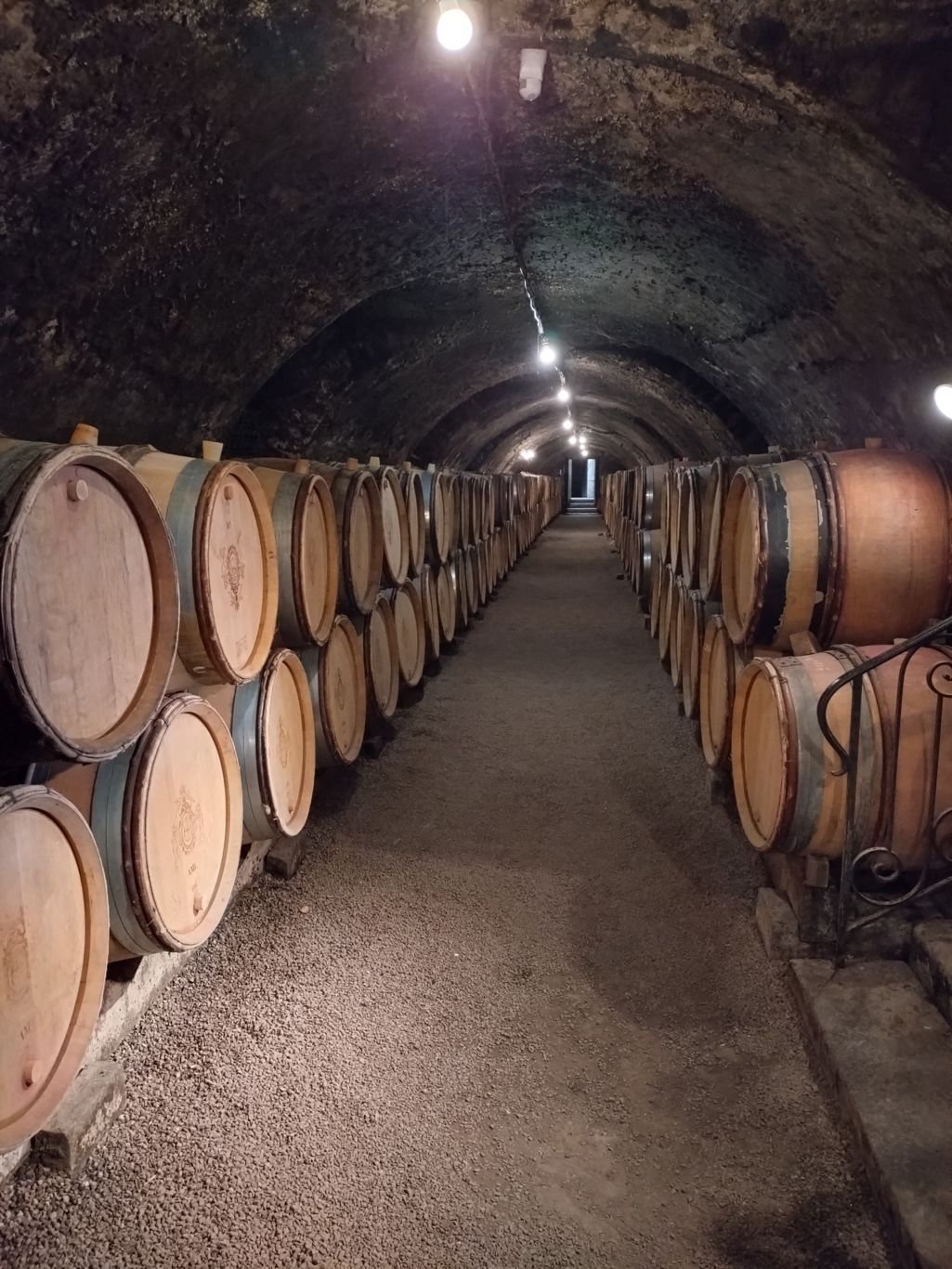
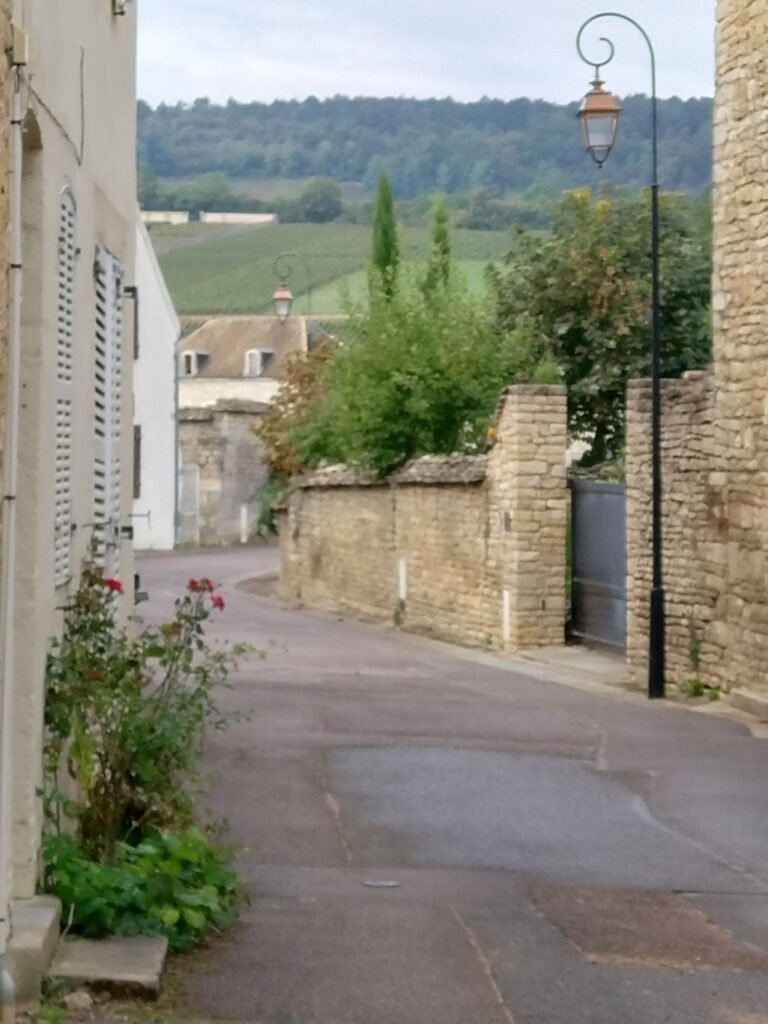
It must be heart-wrenching for any farmer to lose their crop. But nature usually has a habit of evening things out. In Burgundy, 2023 by contrast gave some of the highest yields on record. And, with the cheapest bottle I could find of Romanée Conti at €4,000 a bottle, I would imagine they have deep enough pockets to ride out one bad year. The immaculately renovated stone-walled buildings of the well-kept Côte d’Or villages would seem to bear this out.
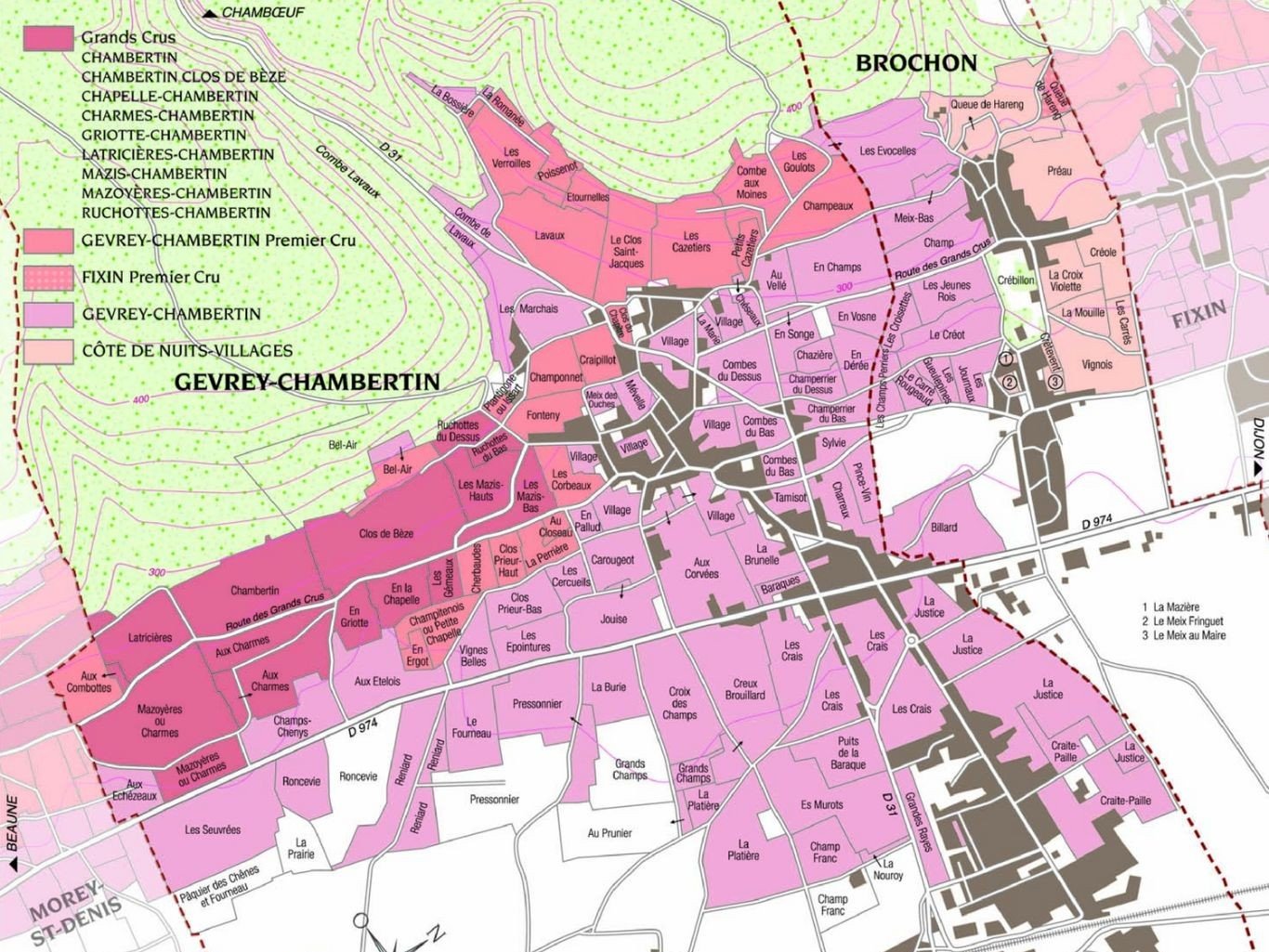
There’s an excellent little museum in Gevrey-Chambertin that explains why the Burgundy production area is so constrained (which is why the prices are so high). This too is determined by nature, as it’s not just the climate but also the soil and bedrock that are critical. Most of the soil along the Saône valley is alluvial deposits, which isn’t much good for vines. Vines like soils with lime and minerals, which give the grapes their taste. But it just so happens that along the side of the valley, deposits of the bones of prehistoric animals are to be found in limestone ridges, and it’s these areas that are all dedicated to wine production. The very best wines come from just a few hectares where the combination of soil and base rock gives the vines exactly the right minerals for top wines. There are plots in the centre of all the villages too, and even though these do not yield Grands Crus, this land still produces fine wines and is not best used by building houses on it!
It’s nice for those travelling by car to and from the French Mediterranean that 400 km of the Autoroute du Soleil from Dijon to Avignon is lined with some of the country’s oldest and most prestigious wine-making regions: Burgundy, Beaujolais and the Côtes du Rhône. Many of the wine-making villages with names familiar from the labels of bottles make for mouthwatering places to stop. Staying somewhere like Gevrey-Chambertin or Meursault not only sounds appealing, but actually is. They are often charming villages with proud wine-making communities, and thanks to the longstanding tradition of gastronomy that has accompanied the wine-making in this part of the world, your meals are likely to be memorable.