The magnificent Silla
Korea’s Ancient Egyptians
In 57 BC, 10 years before Cleopatra met Caesar, legend has it that the 13-year-old King Hyeokgeose founded the Silla Dynasty that was to rule much of today’s Korea until 935 AD. Like the Ancient Egyptians, they buried their kings, queens and noblemen in graves together with prize possessions for the afterlife. Also, a bit like the Egyptians, they then covered these graves in large mounds of earth. They aren’t anything like the scale of the pyramids, but the similarities are striking.
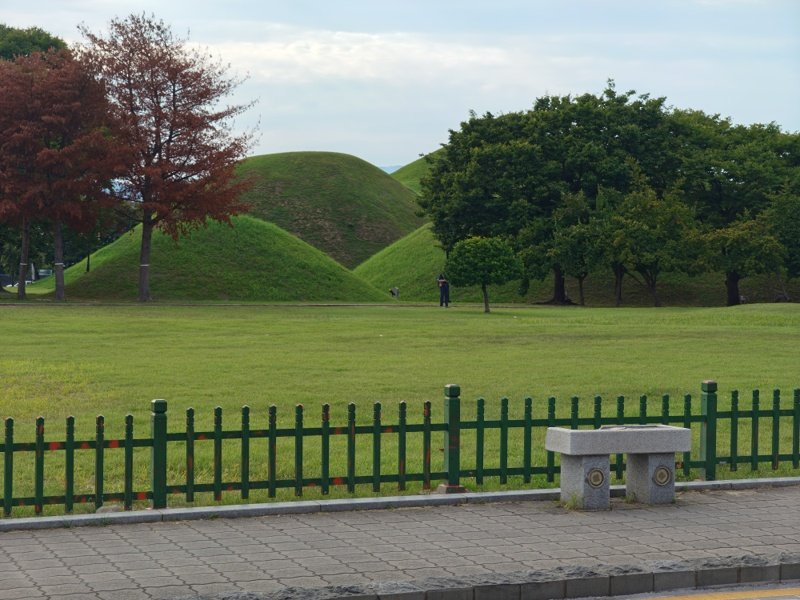
Hundreds of these burial mounds are to be found scattered around the centre of the town of Gyeongju, the old Silla capital. You turn a street corner and, surprise, on the other side of the road there’s a grassy Teletubby-like hill or two that are ancient burial mounds! The town’s pleasant parks all have one thing in common: they have burial mounds scattered around them. So, it might come as a surprise that no-one in town over the centuries looted them.
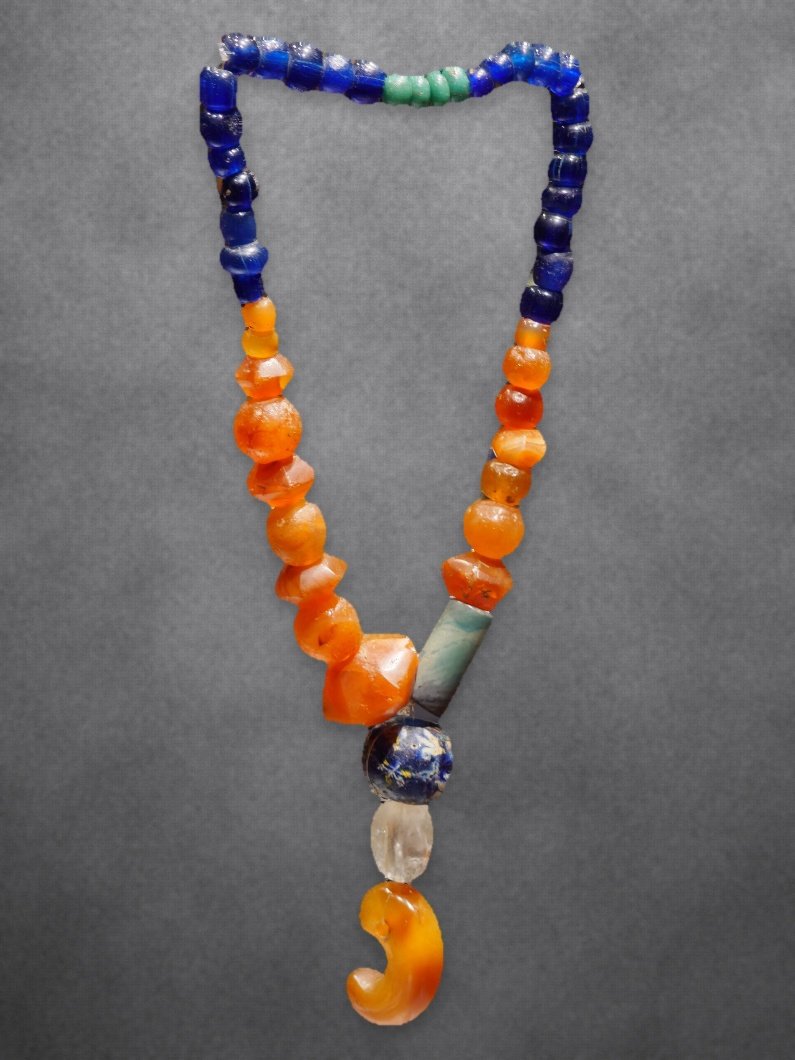
An inkling of the treasures contained within them only came to light in 1921, when a passing Japanese policeman was curious to know where the cobalt blue beads that kids were playing with had come from. “From the mound that was flattened to extend that neighbourhood house!” came the reply. After excavation by Japanese archeologists, a magnificent crown and other treasures were discovered at that site. Then from the 1970s onwards, archeological digs unearthed more and more treasures. The digs continue today.
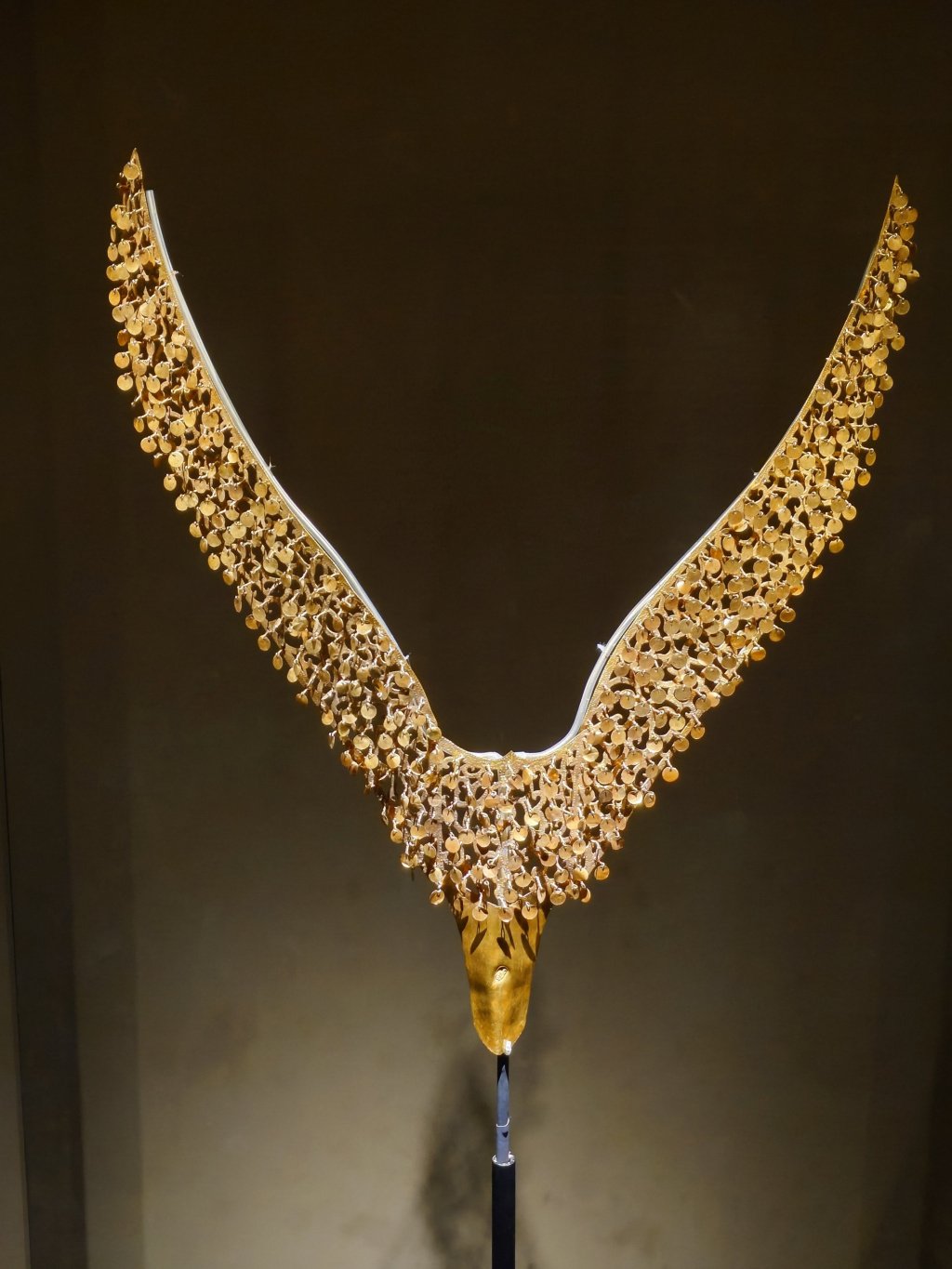
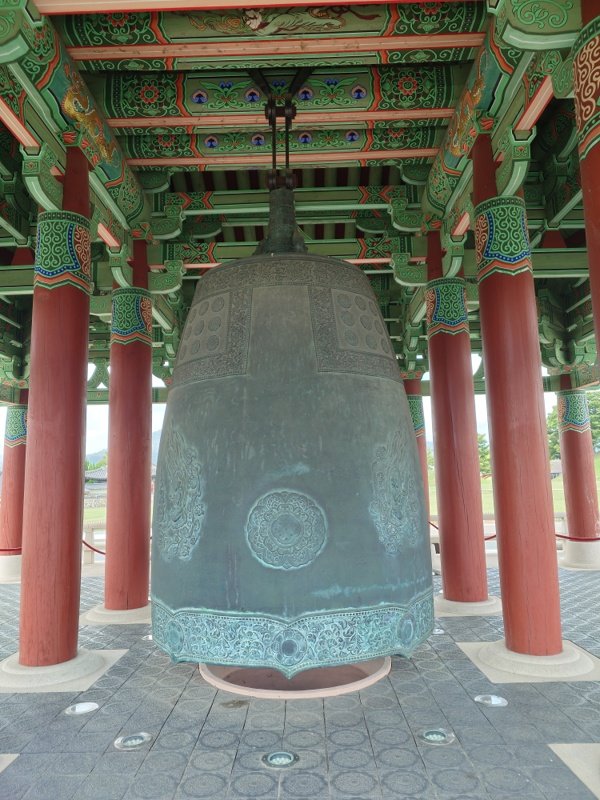
Historians doubt some of the veracity of the Silla legends. Baby Hyeokgeose, for example, allegedly emerged from an egg laid by a white horse, so they are not sure he really founded the dynasty. What is more certain is that the end of the dynasty was in sight when the city was comprehensively sacked in 927 AD by rebel Gyeon Hwon. His army amassed huge hoards of gold and treasures and carted them back to their base in Wansanju in a wagon train that allegedly stretched for miles.
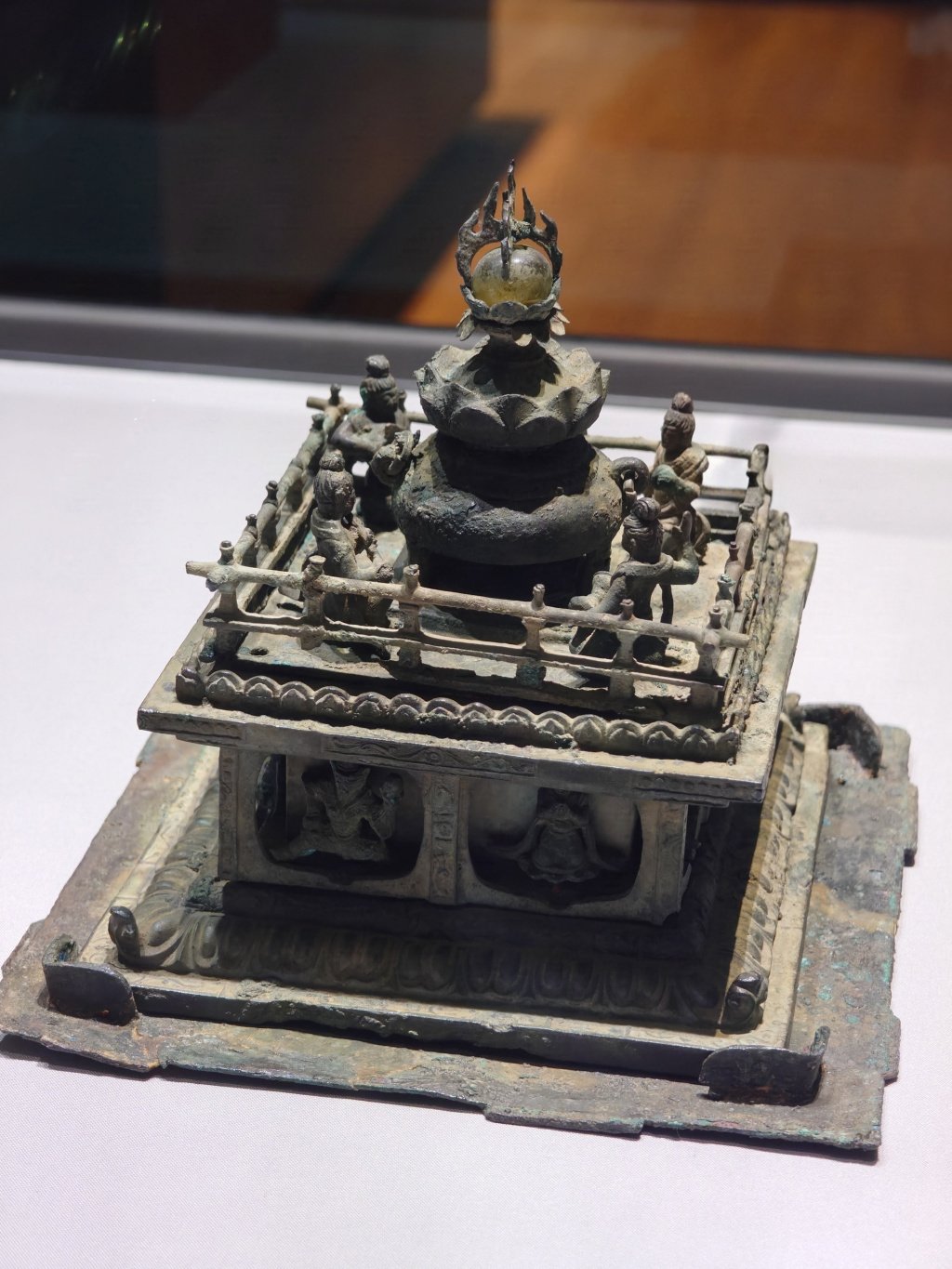
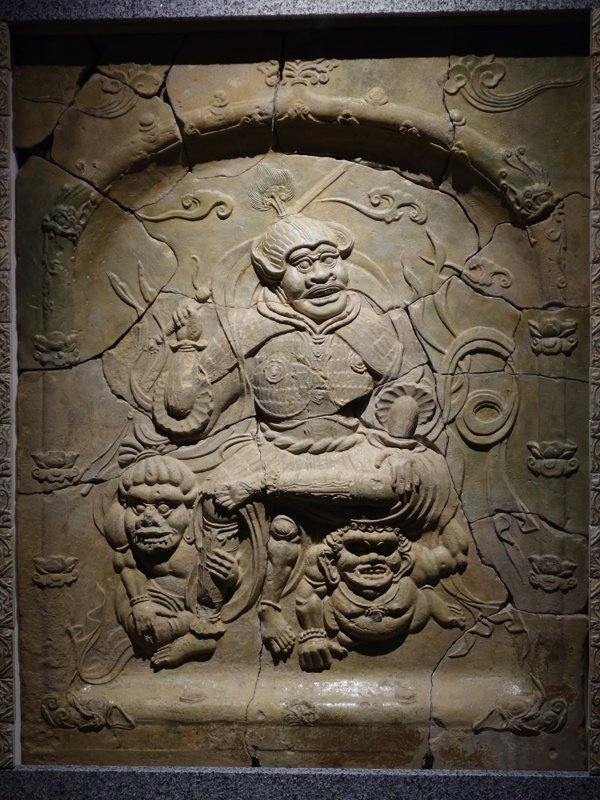
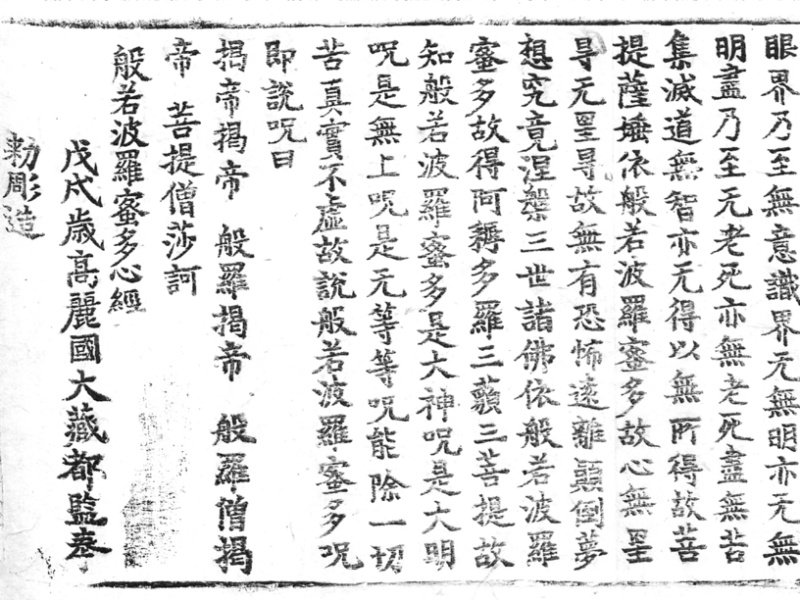
So, what we have today is only a small fraction of what there must have been. But the craftsmanship is stunning, and I hope these photos of some of the objects in the Gyeongju National Museum give some idea of what a rich dynasty the Silla must have been
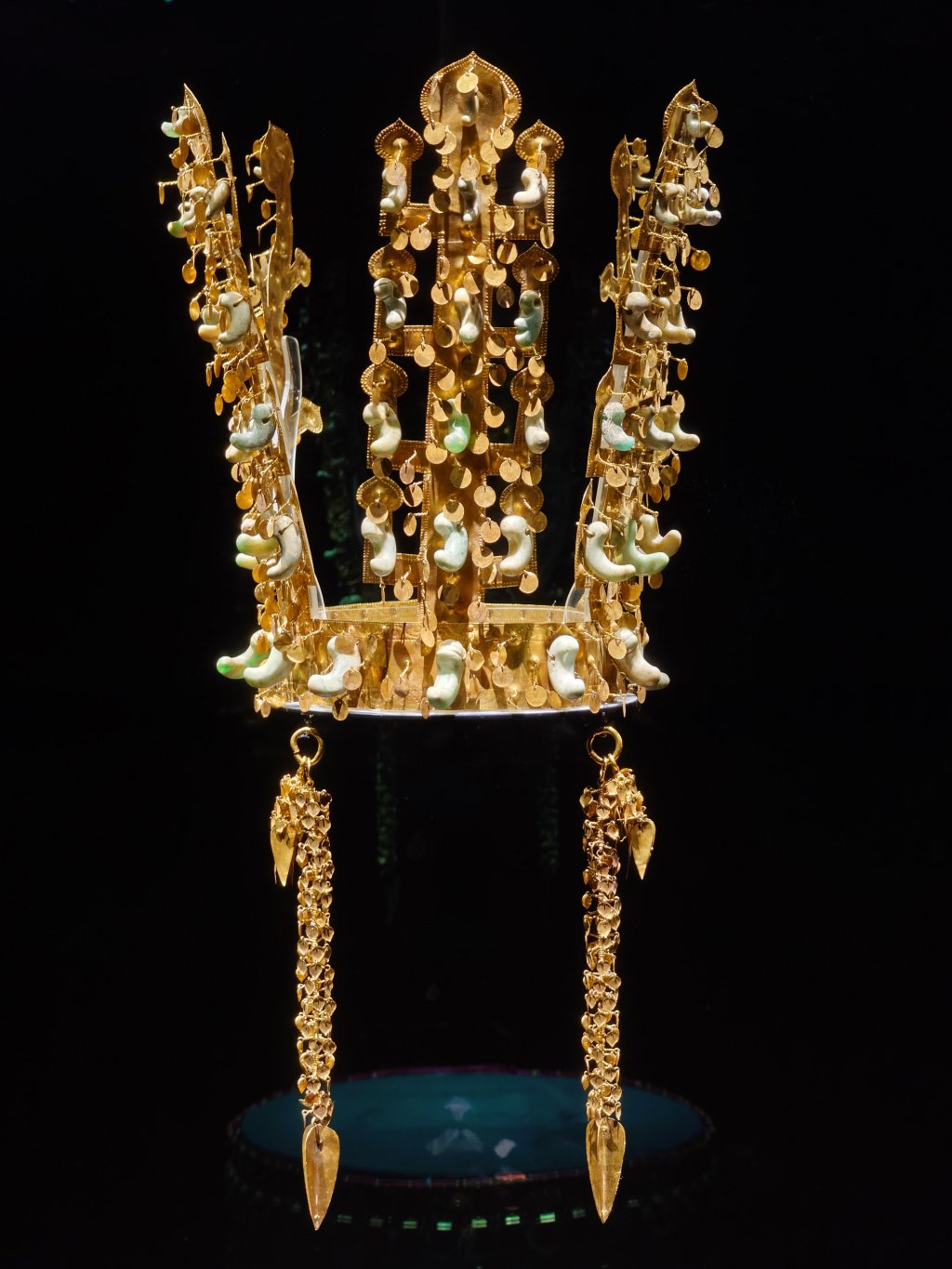
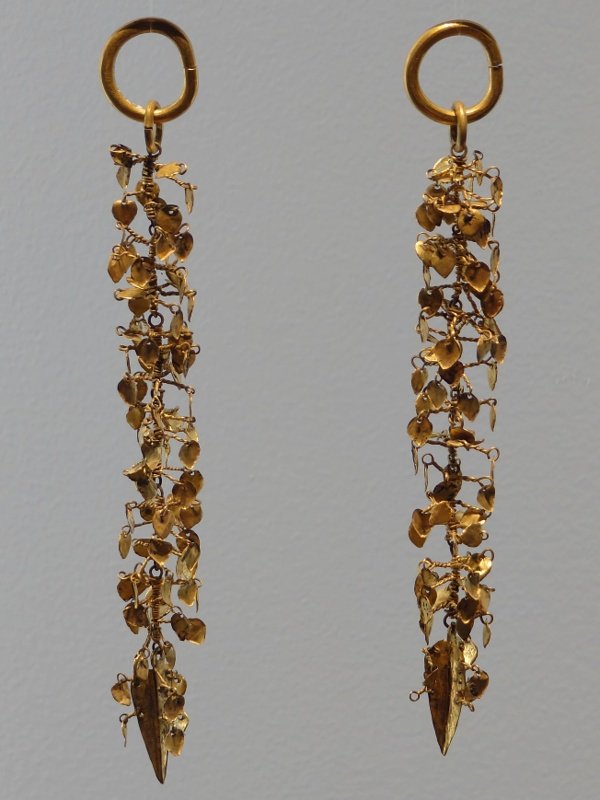
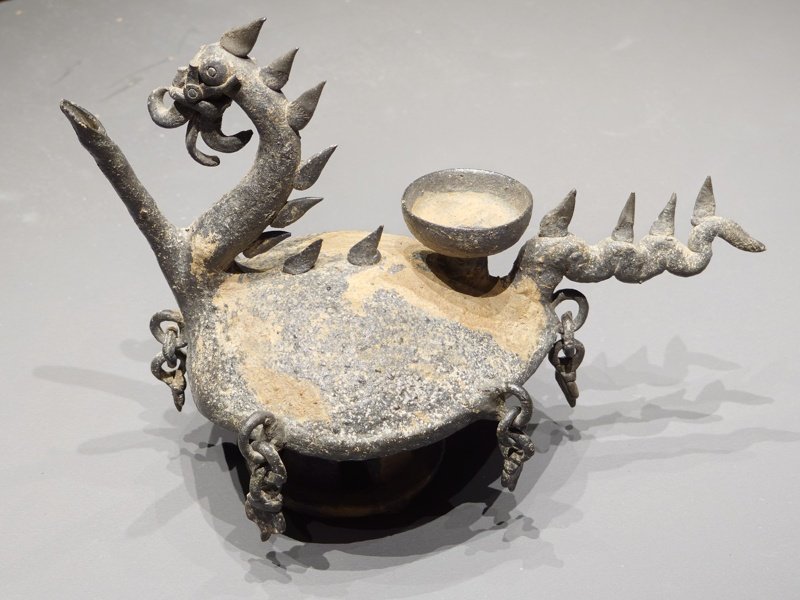
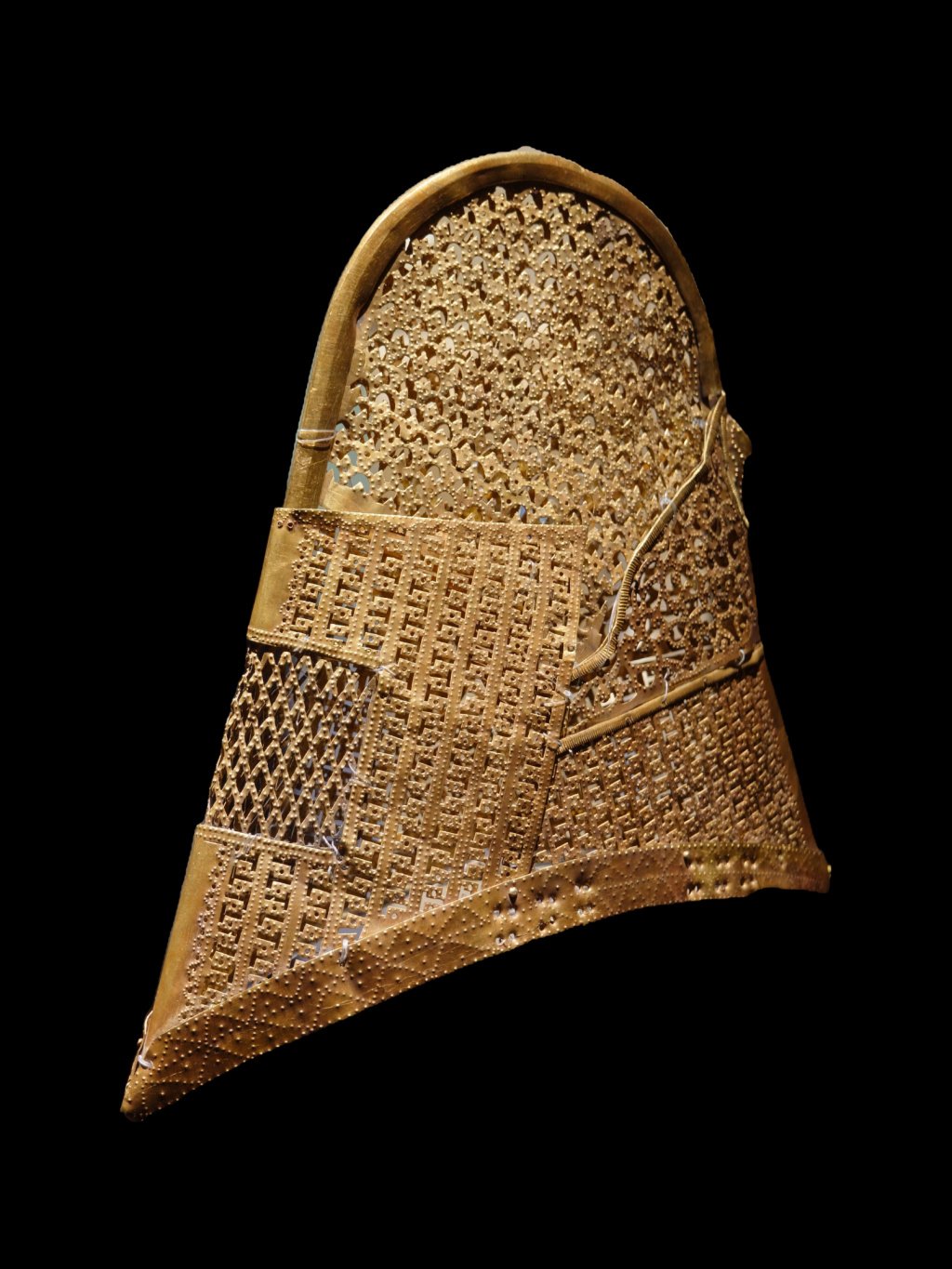
An inner cap of gold, which was designed to be worn over a fabric or silk hat, either on its own or tucked inside the frame of a grand Silla gold crown. From the Cheonmachong tomb, early 6th century.