Messy Vietnam
The beautiful Far North
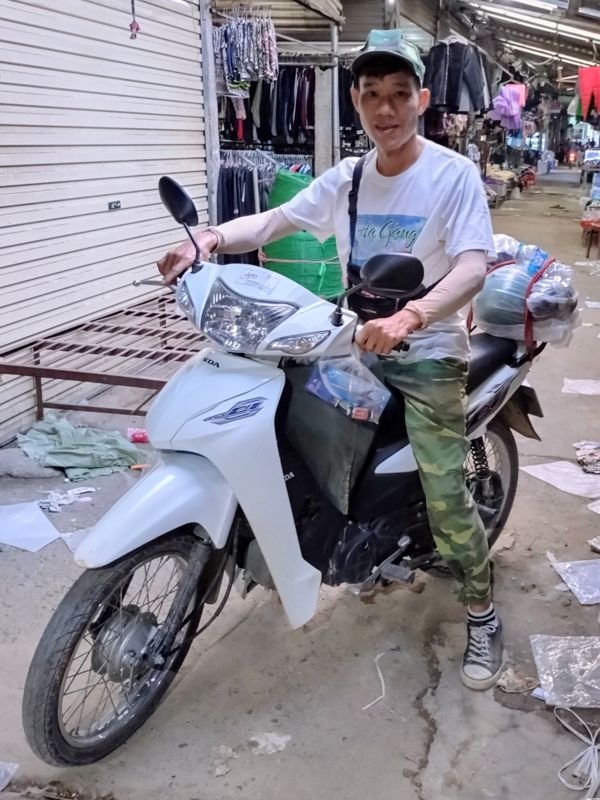
“Một, hai, ba, dzô! … MOT, HAI, BA, DZO!!!” chorused the merry tour group of twenty-somethings before downing their shots of Happy Water, a locally-made corn-based schnapps. Then a few moments later, from another part of the village, the sound of another group, shouting lustily in their turn. And so on, all evening long, shouting eminating from various parts of the Dao tribe village, disrupting the peace of the quiet fields nestled in between the hump-backed shadows of the surrounding mountains. I asked my driver Duyen “When you get together with your friends, do you locals make such a noise?”. “It can be even worse! Vietnam is messy.” came his Google-translated reply.
I have been spending five days on the back of a small motorbike, travelling around what is known as the Ha Giang Loop in the far north of the country. In truth there is not one loop, but a variety of circular routes you can weave through this distant northern province bordering China. The landscapes are impossibly picturesque: vista after vista of verdant landscapes open up as you go over mountain pass after mountain pass. There are fields and terrasses of rice, corn, bamboo and buckwheat, and the area is populated by a number of different ethnic minority tribes who do not wear their colourful and characterful tribal clothes for the benefit of tourists.
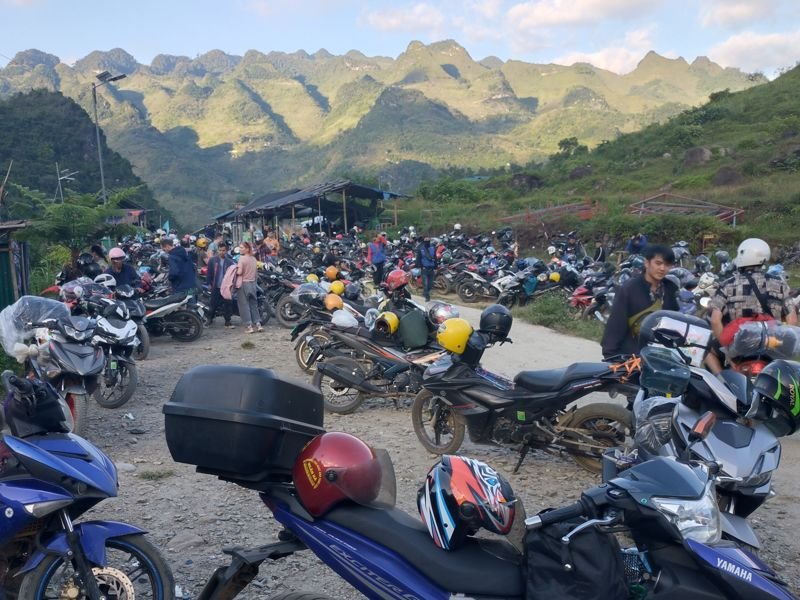
And tourists there are a plenty. Convoy after convoy of bikes – some 10-20 strong – go zooming along the roads and paths, some with music blaring, with young people in shorts and T-shirts filming the proceedings, phones held high above the helmet of the local driver. They all stop off at the same roadside viewpoints, stay in the same homestays and hotels, and go to the same sightseeing spots. Just like package tourists all over the world. This was once one of the most inaccessible parts of the country, but now there are hundreds of us “doing the Ha Giang Loop”.
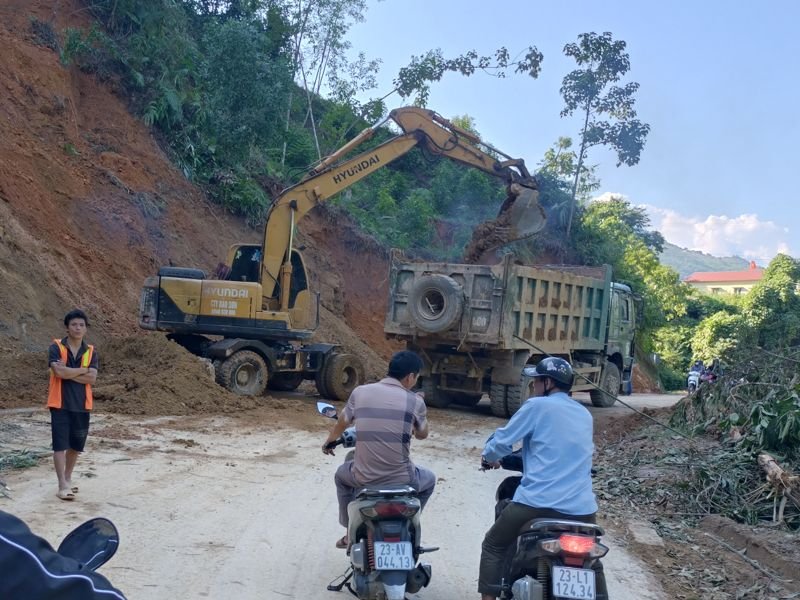
I am grateful that it is Duyen and not me doing the driving. Where there are roads, the pot-holed surfaces require everyone to weave all over, and on several occasions we have to stop completely while an excavator clears mud from a recent landslide that is blocking the road. But for the most part, it is not roads but bumpy concrete-slabbed paths connecting small settlements that we travel on, crossing the other motorbike traffic going the other way. There is no way an outsider could know where best to go, let alone navigate the paths and traffic safely. A few with international motorbike licenses try, but only last year a tourist was killed driving their own bike. Not a surprise.
I love the special sense of liberty that you have on two wheels rather than behind the windscreen of a car, travelling down winding paths that hug the perilous mountainside. You hear the breath of the water buffalo as you pass it being being tugged along the road by its owner, the clucking of chickens crossing the road, the occasional dog bark. (Mind you, there were plenty of hair-raising moments when I would have been grateful for the security of a windscreen and seatbelt!)
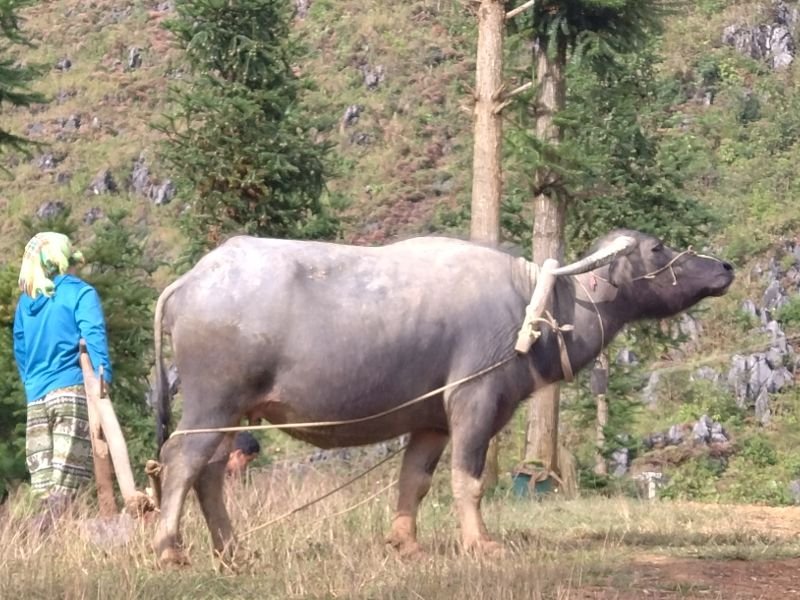
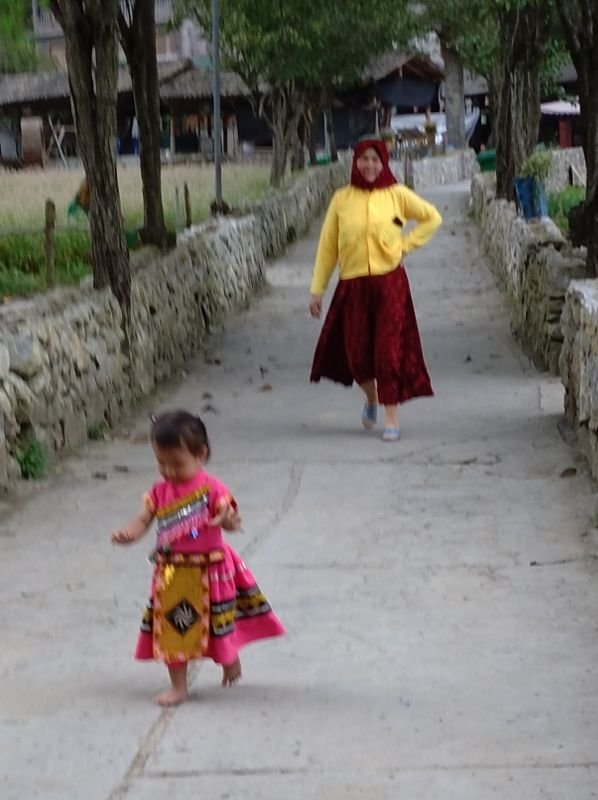
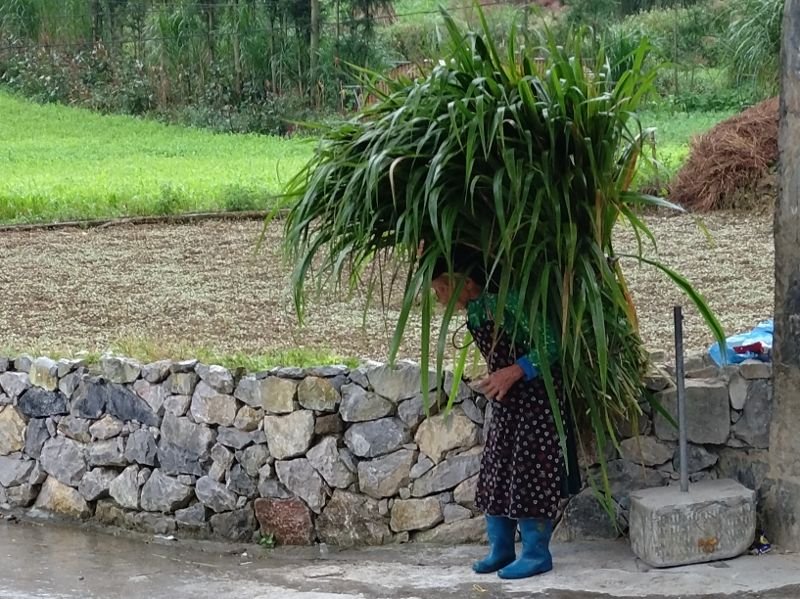
As we go further north towards the Chinese border, the valleys become narrower. The local communities extract every drop from the increasingly infertile land by growing crops on ever more improbable terrassing. The dominant ethnic minority becomes the characterful Hmong, with women in brightly-coloured clothing dotting the fields, walking along the roadside laden with goods, and even manning the cement mixers in their village construction works.
Gradually, it dawns on me. Where are the men? There are women and children to be seen everywhere. But a man is a rare sight. Duyen tells me that, unable to find any employment locally, they have to go to work in Hanoi, leaving the women to do everything back in the ancestral village – from raising the children, to tending the terrasses and even rebuilding their houses. Why don’t the families join the men in Hanoi? Because they can’t afford to, says Duyen. The Hanoi wages are too meagre.
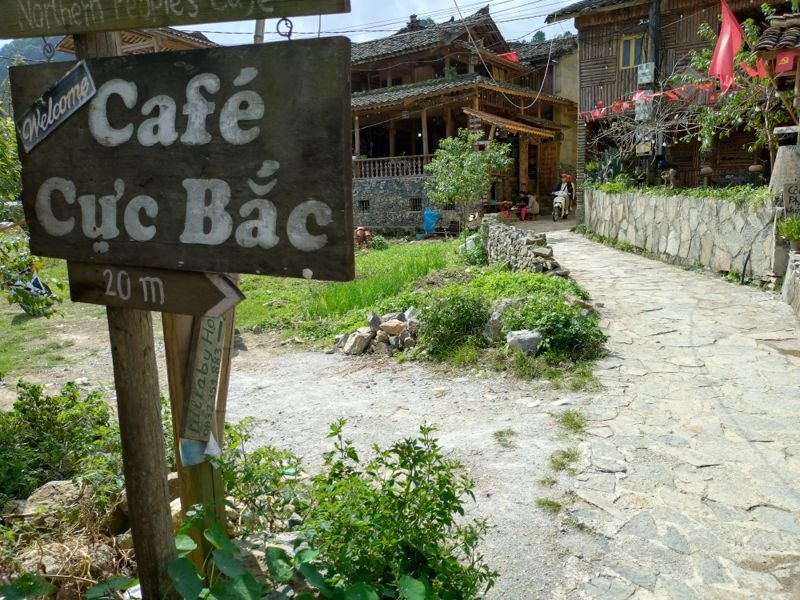
And there’s the rub. Very little of the money flowing in from the tourists flooding this beautiful but desperately poor area trickles down to the local communities. Because I insisted to Duyen that we should NOT stop at the usual places, we visited a few different coffee stops and homestays, all of which were empty. The enterprising villagers had built the accommodation and places to eat, only no-one was using them. Near the Chinese border there was a charming village of the Lolo minority tribe with a number of welcoming-looking cafés and homestays beckoning prospective guests. But there were none. “They have very few customers” confirmed Duyen. “Only the tour operators are rich”. And they are mostly based in Hanoi.
This problem is created by the total control that tour operators have over tourism here. Venture into this territory solo and you could die – literally. So all those tourist dollars are concentrated into the hands of the few. What’s particularly galling is that the vast majority of travellers are backpackers, whose precious money would usually end up in locals’ hands. Duyen is right. Vietnam is indeed messy.