The quiet streets of Laos
The country’s migration problem
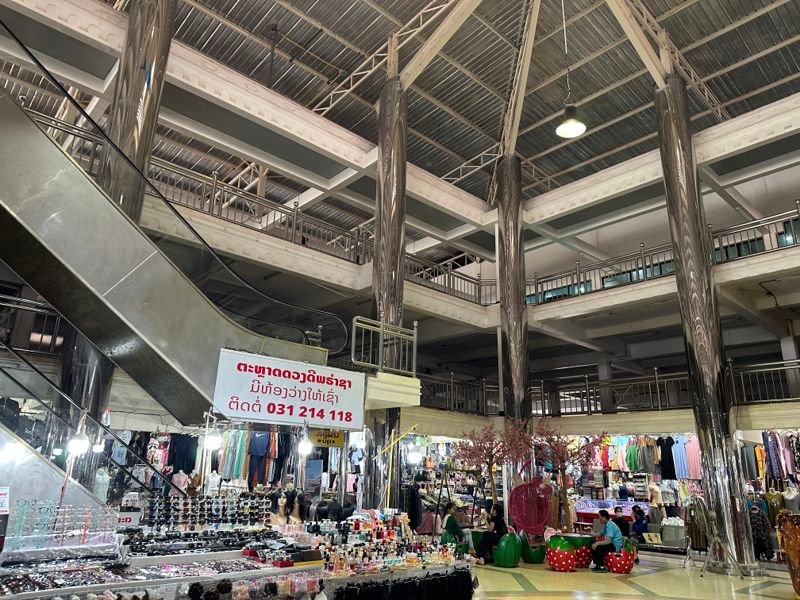
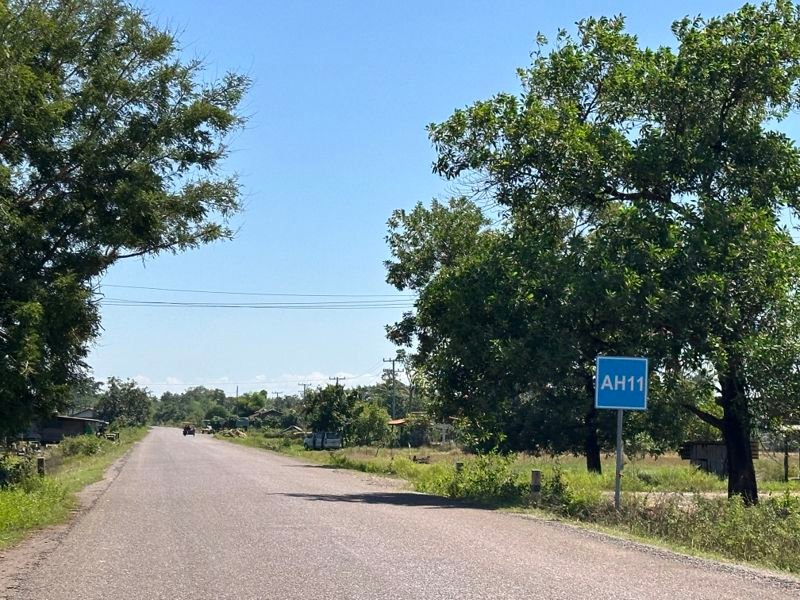
Where is everybody? It’s a question we’ve asked ourselves again and again since crossing the border from Vietnam. Why are the streets so empty of people?
Compared to the noisy and well-frequented roads on the Vietnamese side of the border, Laos seems deserted. There are few settlements along the main road – and they seem very sparsely populated. In Vietnam, even in rural areas there are shops and restaurants along the road, with frequent customers stopping off on their motorbikes to grab a bite.
It’s true that Luang Prabang is busy in a Laotian laid—back way, with plenty of tourists and local businesses providing services. Vientiane, which is the capital city, is in festival mode for the biggest religious celebration of the year… so it’s difficult to judge.
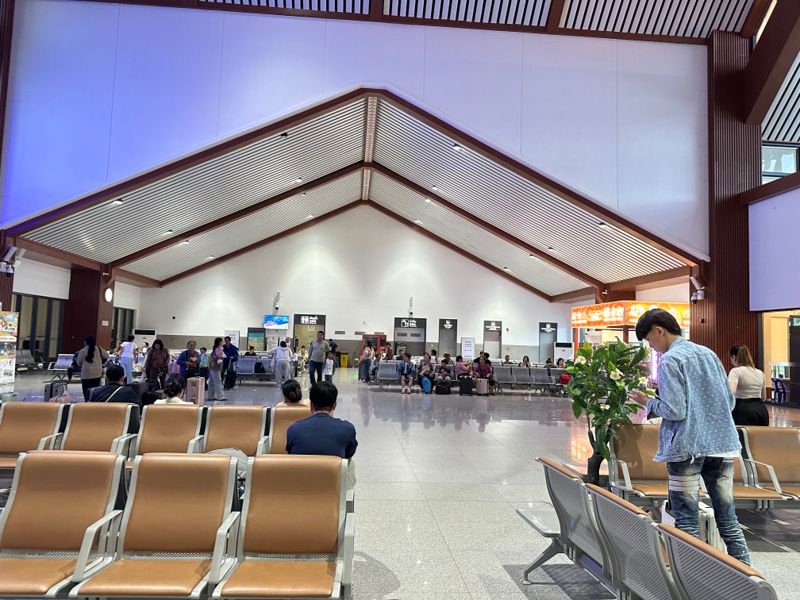
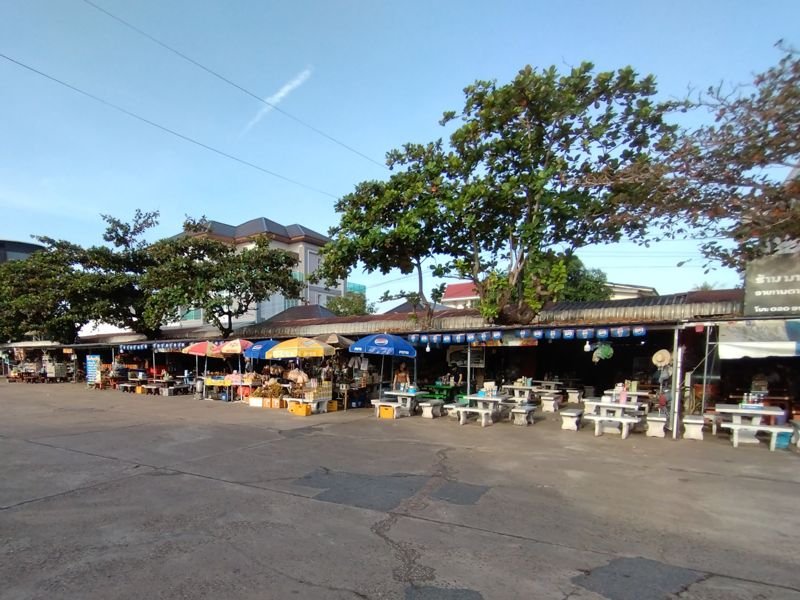
But going south by bus from Vientiane, even the bus station is quiet by regional standards. No crowds, and few stalls selling goods to travellers. And definitely no shouting or aggression which is absolutely not in the nature of the Laotian people, who are gentle and always avoid confrontation. As we travel along the road there are plenty of plots of land for sale, plus half-built houses, seemingly left unfinished.
Stopping at Thakhek and Savannakhet, both close to the Thai border, we are saddened to see a lot of closed businesses. There are some excellent new public spaces making the most of the setting along the Mekong river, but they are largely deserted and the night market at Savannakhet has few customers.
At first we wonder if the state of the roads is to blame – they’re dreadful and potholed, making travelling anywhere quite arduous. Also, around half of households are subsistence farmers1 so population density outside major towns is low. But as we travel through the country it seems that other factors are at play.
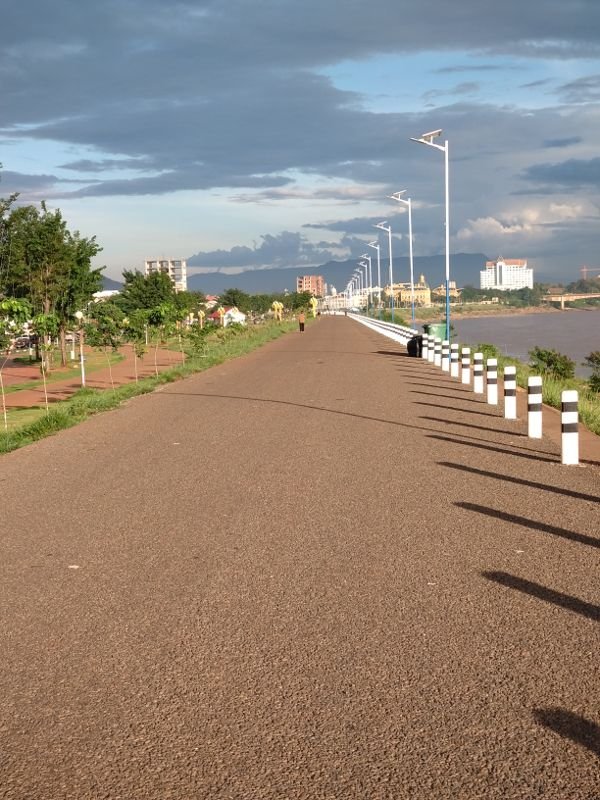
At Pakse, a (relatively) busy town in the south, we speak to a few locals who tell us that a lot of people are leaving the country. In Champesak, just south of Pakse, we hear that 70% of the population have left for Thailand in the hope of a better standard of living. The once thriving village school is now relatively empty. The International Organisation for Migration calculates that nationally just under 1.3 million Laotians live abroad, an astonishing number given that the total population of Laos is 7.2 million.2
The ongoing border dispute between Thailand and Cambodia has also had a knock-on effect – Cambodian workers have left Thailand, providing an opportunity for Laotians to fill the gaps. In addition, although tourism in Laos is recovering well after Covid, the border unrest across the Mekong is keeping tourists away from the southern part of the country, contributing to the drain of workers.
Meanwhile migration has been encouraged by the Thai government through reduced visa costs and its higher minimum wage.3
The World Bank notes that lack of workers is holding back the Laotian economy.4 We have also often personally been struck by what appear to be many supply and demand mismatches – for example in markets there are usually plenty of vendors but few customers, and shopping malls are half empty of shops. Such big anomalies can’t just be due to migration.