Can and can’t do
The tale of two shantytowns
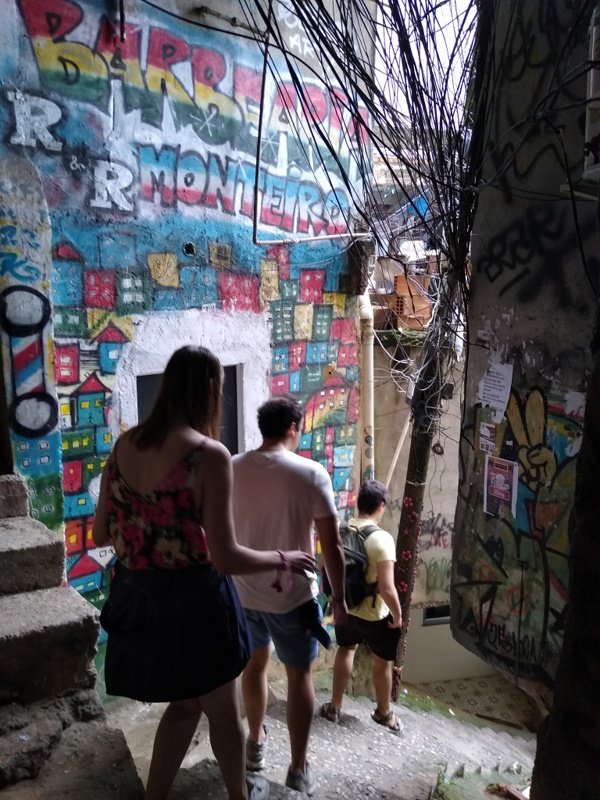
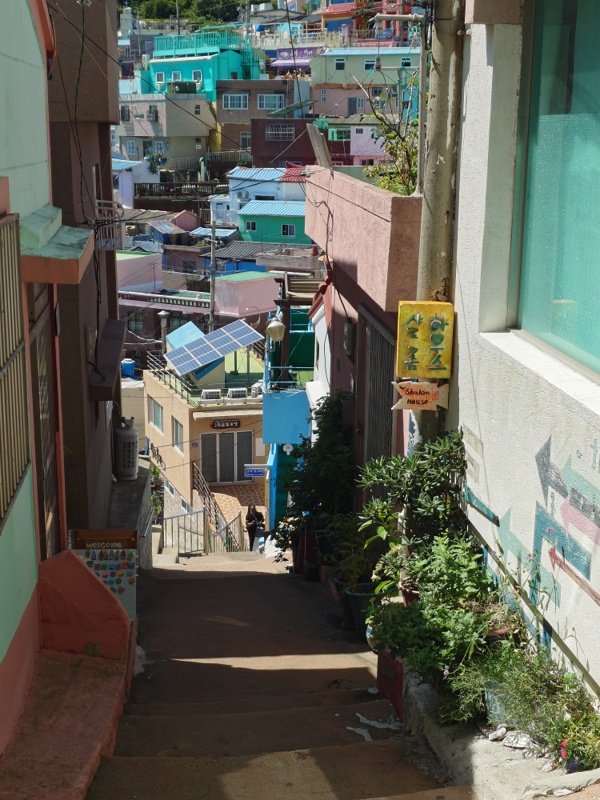
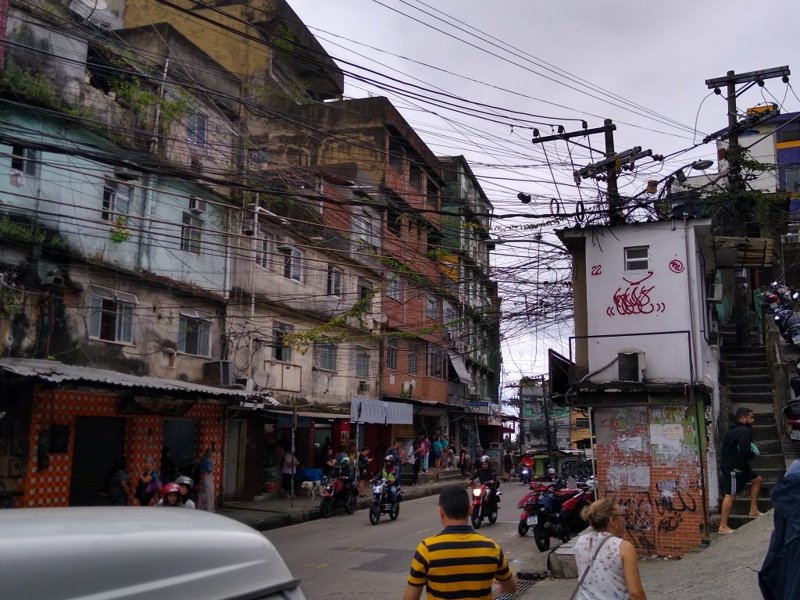
What do the neighbourhoods of Gangseom in Busan and Rocinha in Rio de Janeiro have in common? They both started life as shantytowns and they’re both now a collection of small colourful dwellings crowded onto steep hillsides. But there the similarities end.
When I was in Rio 3 years ago, I was one of only a tiny minority of tourists to take an interest in seeing a favela. I could not do this alone – it’s just not safe enough. So I went on a guided tour, with a guide from the community who knew where and where not to go, and who told us in no uncertain terms where we could and could not take photos. The few artist shops and cafés we visited were empty, and I bought a thing or two in them more out of pity for their hopeful entrepreneurs than anything else. I feared I might be their only custom for the day.
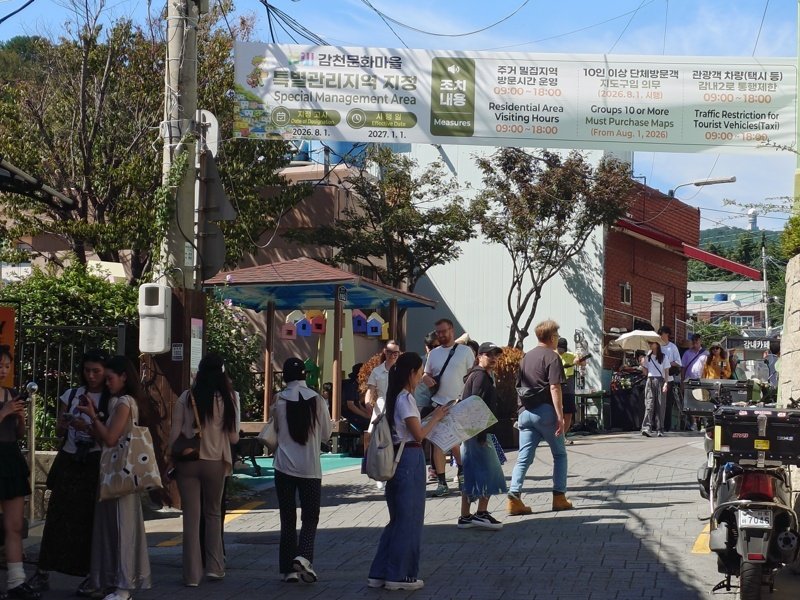
By contrast, Gangseom here in Busan is Instagrammers’ heaven, packed with cameraphone-toting tourists cramming its boutiques and cafés, with notices everywhere imploring the tourist hoardes to be respectful of the inhabitants as, yes, people do still live here! The police presence isn’t to control drug dealing, or even pickpocketing, but to manage the pedestrian and road traffic that overwhelms the narrow infrastructure.
Yet, both these neighbourhoods started life as shantytowns – Rocinha in the 1920s, Gangseom in the 1950s with refugees fleeing the Korean war. As the economies of Brazil and Korea grew and the residents in both upgraded their wood and corrugated iron shacks to brick and concrete homes, the fate of these two poor communities could not be more different. (For context, in 1950 Korea’s GDP per capita was less than half of Brazil’s. Korea didn’t catch up until 1982, and now it’s more than three times Brazil’s.)
Concerned about the poor sanitation and grinding poverty in Rocinha, the Brazilian government in the 1960s and 1970s made several (failed) attempts at forced relocation of some of its residents. But resistance from the residents, vested political interests and corruption have consistently conspired to maintain the status-quo of a community that, still today, steals its electricity from the grid, has leaking open sewers and has a life expectancy of 67 compared to 80 in neighbouring Gávea1. The takeover of its streets by drugs gangs in the 1980s and the inability/unwillingness of the police to dislodge them suggests that things aren’t going to change any time soon.