Surprising Vientiane
Laos’s charming, comatose capital
I don’t know what I was expecting, but I certainly wasn’t expecting this! After Shanghai and Hanoi, Vientiane is the final capital city on this trip, and it has surprised us both. OK – Shanghai isn’t China’s capital, but like New York, it feels like it. Vientiane by contrast doesn’t really feel like a city, let alone a capital. The guide books describe it as sleepy and laid-back. I think they are being kind. For a country’s capital, I would call it comatose!
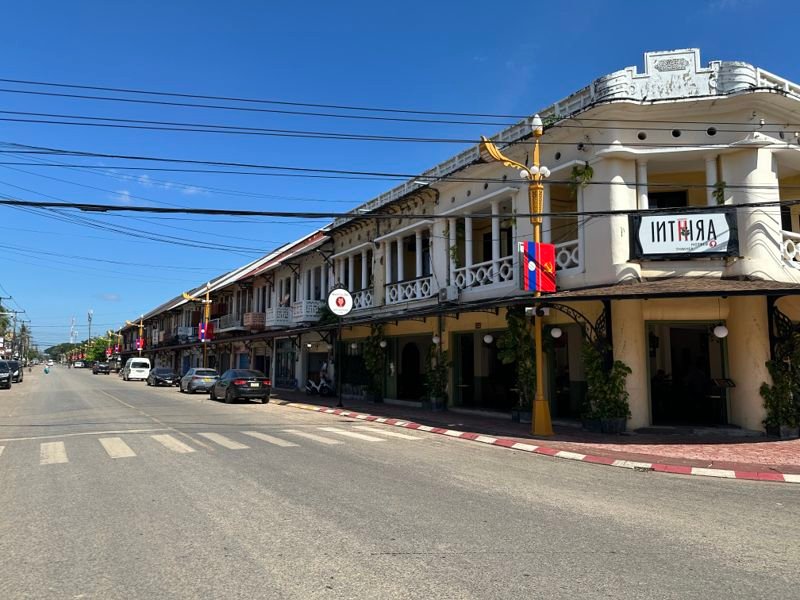
It’s unlike anywhere else I have been. The lack any sense of bustle or energy is striking. Maybe it’s because of the very passive Lao social code, where a raised voice or lost patience raises a lot of eyebrows. So everyone is very calm and quiet. The traffic is courteous too – no beeping of horns or “tuk-tuk”s from the rickshaws – quite unlike Thailand on the opposite bank of the Mekong! Or maybe the lack of zing is because there is no focused city centre and the small population (850,000) is scattered over a large area. There is very little medium-rise – let alone high-rise – to create any population density, so there are few people on the pavements.
In some ways it reminds me of Colombo or Rangoon in the 1980’s. There are a lot of signs crediting development aid donors, and the crumbling infrastructure is punctuated by characterful vestiges of the colonial past. The nice restaurants don’t give onto the street but reside instead in villas set back from the road. There are few buses (let alone a subway!) ; rickshaws, songthaews and taxis do the bulk of the public transportation. But Colombo or Rangoon’s crowds on the street are missing and, thank God, the grinding poverty too.
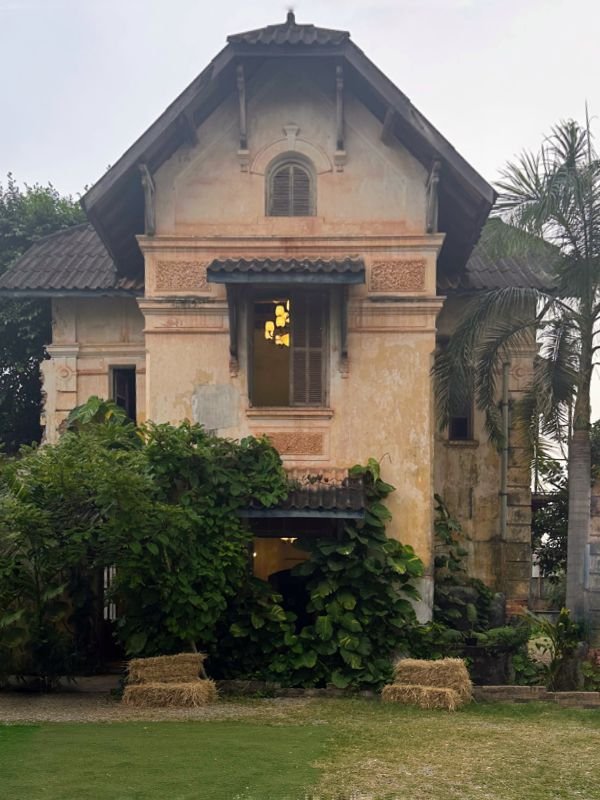
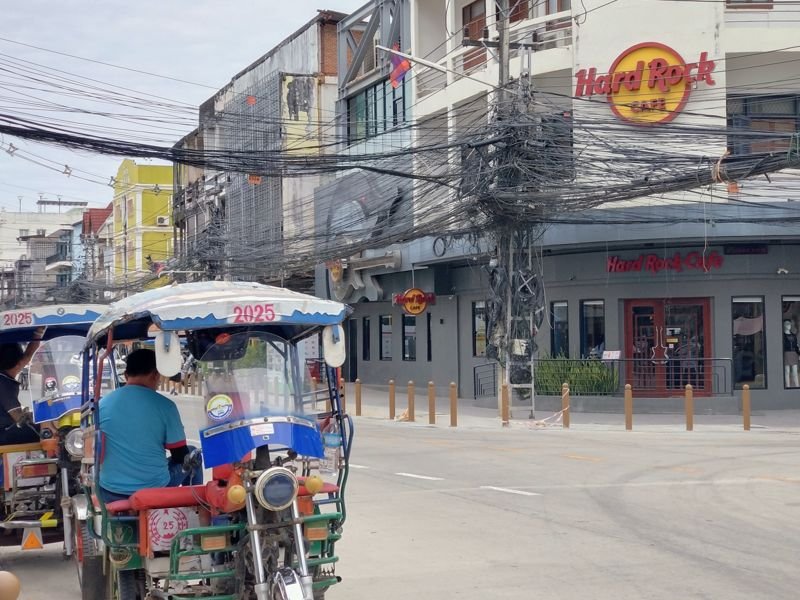
Despite the retro infrastructure, there are some signs that Vientiane is being dragged into the 21st century. There’s a Lao QR code payment system (although it’s clunky compared to the Chinese systems) and electric cars and rickshaws are making an appearance. Also, we have been surprised to come across Western brands here and there. Although it is still only half-filled with shops, there is one new shopping mall with a Starbucks that has some people in it. But for the most part, shopping malls and street markets are empty, and there are plenty of zones that seem to be in gentle decline: riverside cafés lie disused and many buildings and plots of land are closed up and empty.
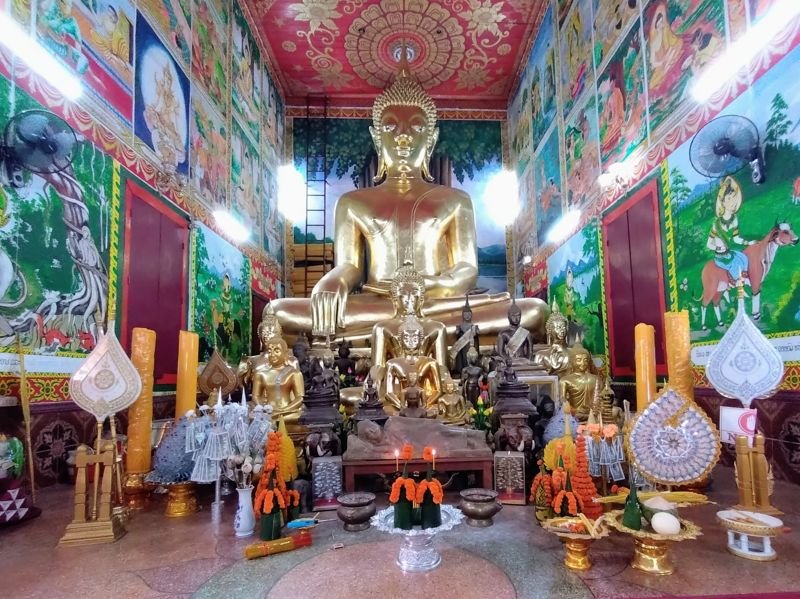
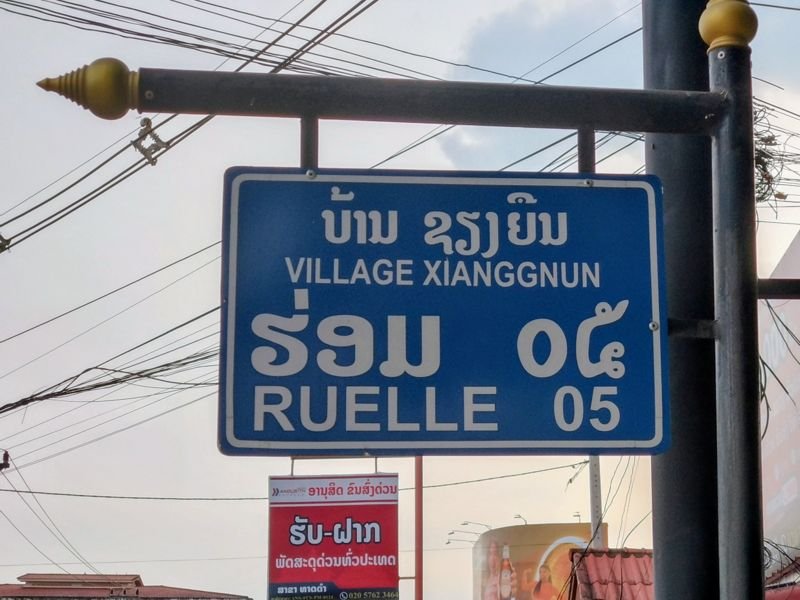
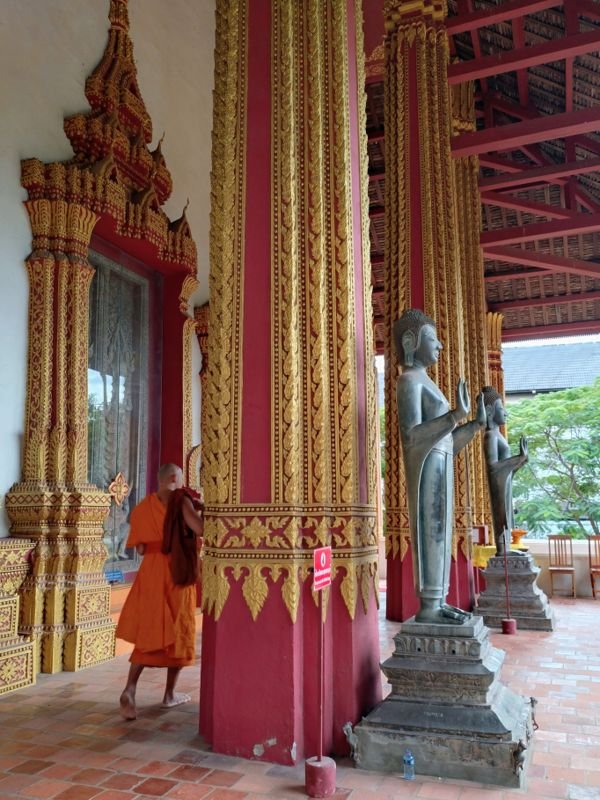
Yet both of us have come to really like Vientiane. The people, like everywhere we have been so far in Laos, are adorable – SO friendly and welcoming and smiling – and even if the town lacks the buzz of most capitals, the locals certainly know how to have fun (see Stupa party!). There are many Wats dotted throughout the town, some replete with orange-clad monks, creating colourful and characterful oases in the midst of the chaotic mix of buildings. Surprisingly, the legacy of the French colonial era is still marked and adds to the unique charisma: bilingual official signs like government buildings and street signs choose French as the second language, and there is a choice of excellent French bakeries whose counters are full of delicious baguettes, croissants, tartes au citron and the rest.